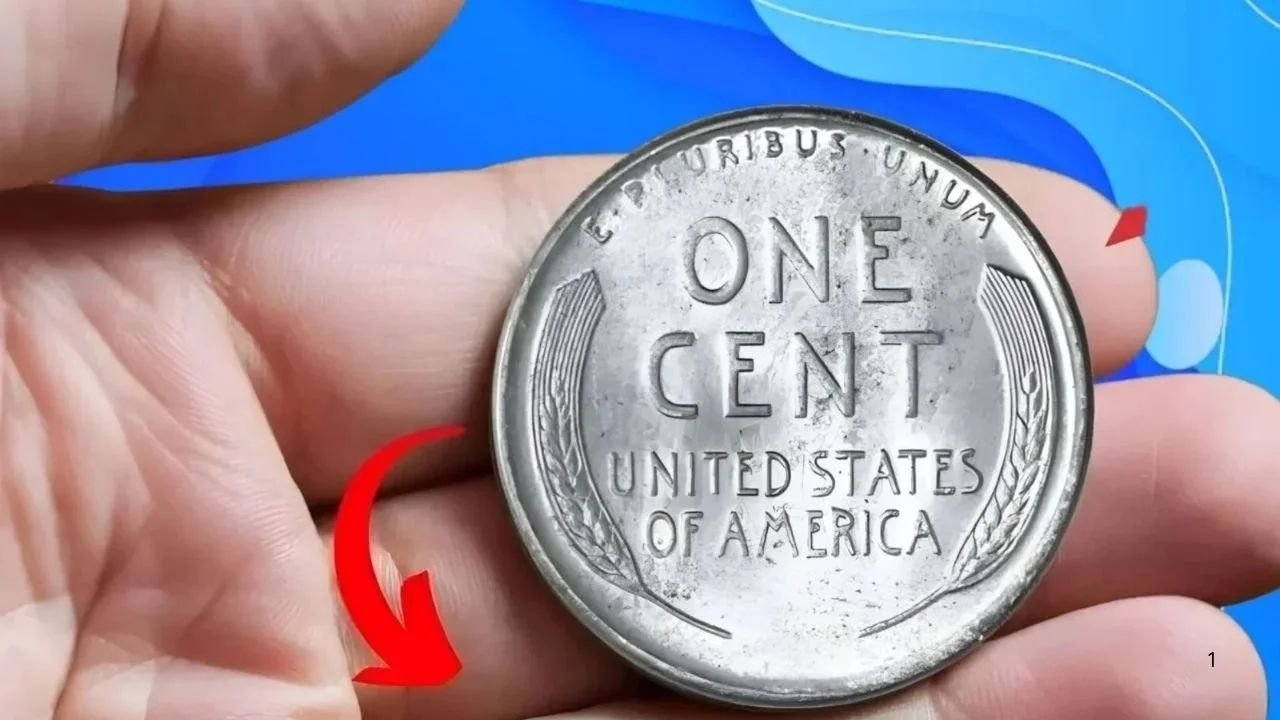
Finding an old wheat penny in a coin jar, drawer, or inherited collection can be more exciting than it seems. These classic Lincoln cents, minted from 1909 to 1958, may look ordinary, but some are rare treasures worth hundreds, thousands, or even over a million dollars. This guide breaks down what wheat pennies are, which dates are valuable, and how to identify coins worth serious money.
What Are Wheat Pennies?
Wheat pennies—also known as Lincoln wheat cents—were the first U.S. coins to feature a real person. They are easy to identify:
- Obverse: Abraham Lincoln’s portrait
- Reverse: Two wheat ears surrounding “ONE CENT”
- Minted: 1909–1958
- Mints: Philadelphia (no mint mark), Denver (D), San Francisco (S)
- Metal: Mostly copper, except the steel 1943 wartime cents

While many wheat pennies are common, a few key dates and error coins can sell for astonishing prices.
History of the Lincoln Wheat Cent
The series began in 1909 to honor Abraham Lincoln’s 100th birthday. Designer Victor David Brenner placed his initials “VDB” on the reverse of the coin. This sparked public criticism, leading to the quick removal of the initials. As a result, the 1909-S VDB became one of the rarest and most desirable pennies ever made. Over nearly fifty years of production, more than 20 billion wheat pennies were minted, but only a small number hold significant value today.
Why Wheat Penny Values Remain Strong
Collectors continue to chase wheat pennies because they are affordable to start, rich in history, and full of potential surprises. Even a coin worth only a few cents could lead to a rare discovery like the 1955 doubled die or the legendary 1943 bronze cent.
Most Valuable Wheat Pennies and Their Auction Records
| Wheat Penny | Mintage | Record Sale | Why It’s Valuable |
|---|---|---|---|
| 1909-S VDB | 484,000 | $1.7 million | First-year issue with removed initials |
| 1914-D | 1.2 million | $373,000 | Scarce Denver mint coin |
| 1931-S | 866,000 | $78,000 | Low Depression-era mintage |
| 1955 Doubled Die | N/A | $1.9 million | Strong doubling error |
| 1943 Bronze | Around 20 known | $1.7 million | Accidental copper strike |
Wheat Penny Value Breakdown
| Category | Example Years | Circulated Value | Uncirculated Value |
|---|---|---|---|
| Common | 1940s–1950s | 1–5 cents | 10–50 cents |
| Semi-Key | 1910-S, 1924-D | 50 cents–$5 | $10–$100 |
| Major Key | 1909-S, 1914-D | $50–$500 | $1,000+ |
How to Identify Valuable Wheat Pennies
Check the Date and Mint Mark

Look under the date for “D” or “S.” Some mint marks are extremely scarce.
Look for Error Coins
Search for doubling, off-center strikes, missing letters, or unusual coloring. Error pennies are among the most valuable coins in the series.
Inspect the Condition
Coins with sharp details and original red color (graded RD) are worth the most.
Search Old Penny Rolls

Bank rolls, estate sales, and old family jars can still contain rare pieces.
Protect Your Coins
Use coin flips or albums to prevent scratches and preserve value.
FAQs About Wheat Pennies
Which wheat penny is the most valuable?
The 1943 bronze cent and the 1909-S VDB are among the most valuable, each reaching over $1 million in top grade.
How do I check my wheat penny’s value?
Use price guides from PCGS or NGC, and compare condition, date, and mint mark.
Are wheat pennies still being made?
No. Production ended in 1958 when the Lincoln Memorial cent replaced the wheat design.
Can valuable wheat pennies still be found today?
Yes, especially in old collections, antique shops, and penny rolls.
Where should I sell rare wheat pennies?
For expensive or rare coins, use professional auction houses. For common coins, eBay or coin shops work well.
Conclusion
Wheat pennies may seem small and ordinary, but the series is filled with hidden treasures. A simple penny from 1909–1958 could be worth far more than face value—especially if it’s a key date or error coin. Check your old jars, inspect penny rolls, and keep an eye on the details. Your next wheat penny might be a rare piece of history worth thousands.